Arabic online lessons start from $40 a month at Alphabet Arabic Academy — with no hidden fees, qualified native teachers, and a flexible schedule you actually control. But pricing across the industry varies wildly, and knowing why helps you choose smarter. This guide breaks down exactly how Arabic online pricing works, what affects costs, where to save, and what to avoid — so you don’t waste money on the wrong course.
Who Is This Guide For?
Before we get into numbers, let’s be honest about fit.
This is for you if:
- You’re researching Arabic courses online and want to understand pricing before committing
- You’re comparing different platforms and confused about why prices vary so much
- You want the best value — not just the cheapest option, and not the flashiest
- You’re a parent searching for affordable Arabic classes for your children
- You have a fixed monthly budget and need to know what’s actually achievable within it
This is NOT for you if:
- You expect free resources alone to take you to real proficiency (they won’t — more on that below)
- You’re looking for a one-time payment that covers everything forever (language learning doesn’t work that way)
- You want instant fluency without consistent practice (no course price changes this reality)
How Learn Arabic Online Pricing Actually Works

Here’s the thing most course comparison articles won’t tell you: prices aren’t random. They reflect real choices about quality, format, and depth. Once you understand what drives pricing, you stop comparing apples to oranges.
The Key Factors That Affect What You Pay
Live teacher vs. pre-recorded content. This is the single biggest cost driver. Live one-on-one sessions with a qualified native Arabic teacher deliver faster, deeper progress — and they cost more. Pre-recorded video lessons are cheaper but can’t correct your pronunciation in real time, can’t adapt when you’re confused, and can’t hold you accountable.
Teacher credentials and experience. A certified teacher with a degree from Al-Azhar University and 10+ years of experience teaching Arabic to non-native speakers commands higher rates than a freelance tutor with no formal qualification. You’re paying for the accuracy of their feedback, their understanding of common learner errors, and their ability to explain complex Arabic grammar clearly in English.
Class format: private vs. group. Private one-on-one lessons cost more per hour — but progress 2–3x faster because the session is entirely about you. Group classes (4–6 students) cost less and still provide good quality, but you’re sharing the teacher’s attention. Large group webinars (15+ students) are the cheapest and often the least effective.
Session frequency and duration. More sessions per week and longer session durations mean higher monthly costs. A 30-minute Quran class twice a week costs less than a 60-minute MSA private session five times a week. Simple maths — but worth planning around your real availability.
Course type and specialisation. Basic beginner Arabic costs less than advanced professional Arabic or Quranic Tajweed with an Ijazah-certified teacher. Specialised programmes require more qualified instructors and more tailored materials.
Platform overhead. Platforms with heavy marketing budgets, slick apps, and large operations charge more to cover costs. Smaller academies with direct teacher-to-student models often deliver better value per dollar.
The bottom line: the more personalised and interactive the teaching, the higher the price — and usually, the faster the results.
Pricing Models Explained: Which One Suits You?
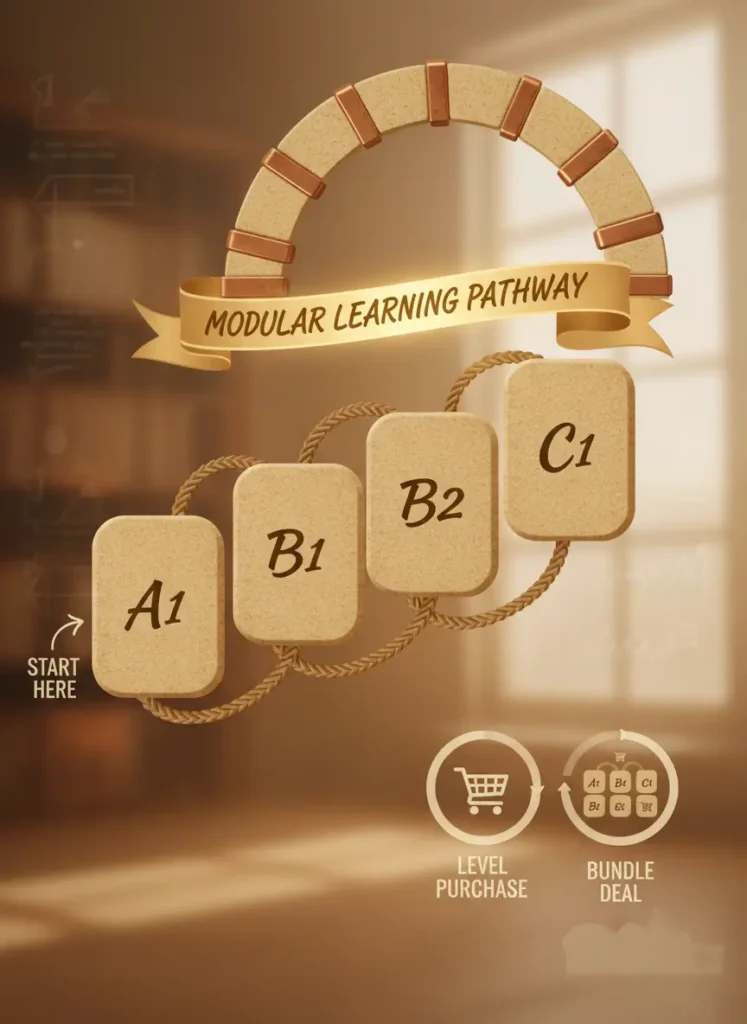
Most platforms use one of four structures. Knowing which one you’re buying matters before you commit.
Monthly Subscription Plans
Flexible, month-to-month commitment. Pay for a set number of sessions per month, renew or cancel when needed. This is the most common model for serious learners because it’s sustainable and predictable.
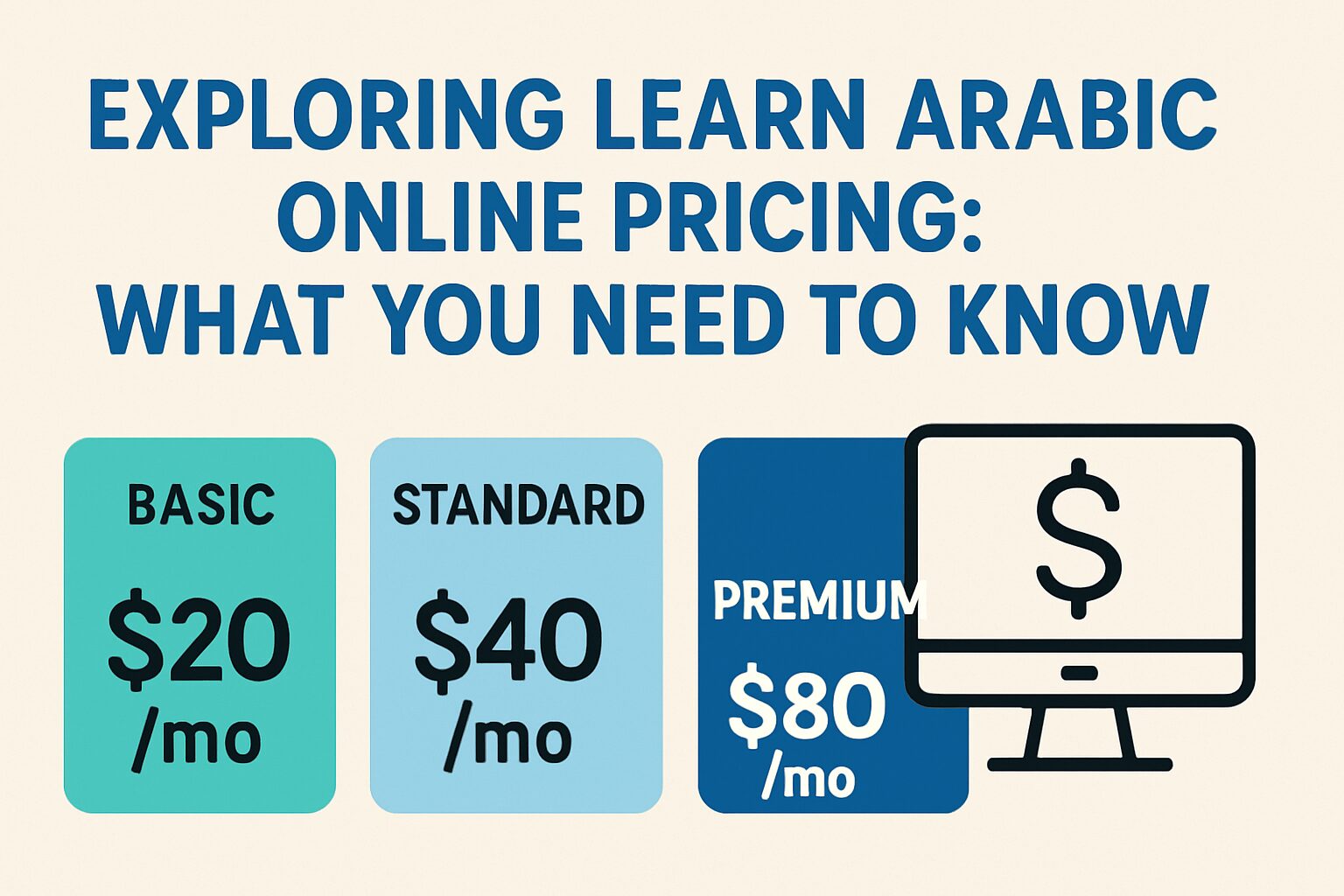
At Alphabet Arabic Academy, monthly plans start from $40/month — that’s 4 sessions per month at 60 minutes each, with all materials included.
Best for: Learners who want consistency without a long-term upfront commitment.
Bundled Lesson Packages
Buy a fixed number of lessons in one purchase. The more lessons in a bundle, the lower the per-session cost. Bundles typically save 10–20% compared to month-by-month pricing.
Best for: Committed learners with a clear goal and a realistic timeline. If you know you’re going to study for six months, bundles save meaningful money.
Pay-Per-Class
Maximum flexibility, no commitment — but the highest cost per session. Good for testing a new teacher or platform before committing. Poor value for long-term learning.
Best for: First trial sessions only. Not a sensible long-term strategy.
Long-Term (3–6 Month) Plans
Alphabet Arabic Academy offers 10% discount for 3-month commitments and 20% discount for 6-month commitments. These are the best value for learners with serious goals who aren’t going anywhere.
Best for: Learners who’ve completed a trial lesson, confirmed the teaching quality, and are ready to commit.
Real Numbers: What Does Learn Arabic Online Actually Cost?
Let’s put specific numbers on the table. Here’s what learners can realistically expect across different programme types at Alphabet Arabic Academy.
Alphabet Arabic Academy Pricing Breakdown
Adults & Teens Arabic (60-minute sessions)
| Sessions Per Week | Monthly Cost | Per Session |
|---|---|---|
| 1 session/week (4/month) | $40 | $10 |
| 2 sessions/week (8/month) | $80 | $10 |
| 3 sessions/week (12/month) | $114 | $9.50 |
| 5 sessions/week (20/month) | $175 | $8.75 |
3-month plan: 10% discount applied automatically. 6-month plan: 20% discount applied automatically.
Quran & Tajweed (30-minute sessions): From $40/month for 4 sessions.
Kids Arabic (60-minute sessions): Same pricing structure as adults, with child-specialist teachers.
Professional Business Arabic (60-minute sessions): Same pricing structure, with teachers specialising in business vocabulary and formal Arabic.
All prices include materials — no PDFs to buy separately, no hidden curriculum fees.
For a full breakdown and to book directly, see the full pricing page.
How This Compares to Other Platforms
iTalki / Preply (freelance tutors): $15–40 per hour for community tutors. $40–80 per hour for professional teachers. No curriculum, no materials, no structured progression — you’re building the lesson plan yourself.
Duolingo / Babbel (apps): Free to $15/month. Good for beginner vocabulary. No speaking practice, no teacher, no accountability. Effective as a supplement, not as your main learning system.
University language centres (UK/US): £150–400 per term for group classes. Fixed schedule, group pace, no one-on-one attention.
Private tutors (local): $50–120/hour in Western cities, depending on qualifications. No curriculum, materials, or structured programme.
The honest comparison: Alphabet Arabic Academy’s rate of $10/session for a 60-minute live session with a qualified Al-Azhar-certified teacher is competitive globally, especially considering all materials are included.
Affordable Arabic Zoom Classes: What to Expect
The rise of Zoom-based Arabic learning has genuinely changed what’s affordable for global learners. You no longer need to pay London or New York prices for quality Arabic instruction. Cairo-based teachers — with qualifications that rival any in the world — can be in your living room via Zoom at a fraction of what equivalent instruction would cost locally.
At Alphabet Arabic Academy, all lessons run via Zoom (or Google Meet / Skype if preferred). The technology is secondary — what matters is the teacher quality and lesson structure.
What a Good Zoom Arabic Session Looks Like
A strong Zoom Arabic lesson isn’t just a teacher talking at you through a screen. Look for these features:
Screen sharing with interactive materials. Your teacher should be sharing a digital whiteboard, slides, or the textbook. Not just speaking while you take notes.
Real-time writing practice. You should be able to write Arabic on screen — either through a shared document or digital whiteboard — so your teacher can see and correct your script immediately.
Output-heavy sessions. You should be speaking, not just listening. A 60-minute session where you speak for less than 20 minutes is wasted money.
WhatsApp support between lessons. Good Zoom-based Arabic programmes connect you to your teacher between sessions via WhatsApp for questions, homework review, and quick clarifications.
Recorded sessions (where available). The ability to review your lesson recording is genuinely useful for catching pronunciation details you missed in real time.
The platform itself costs nothing — Zoom is free. The value is entirely in the teacher and the structure.
Free vs. Paid Arabic Learning: An Honest Comparison
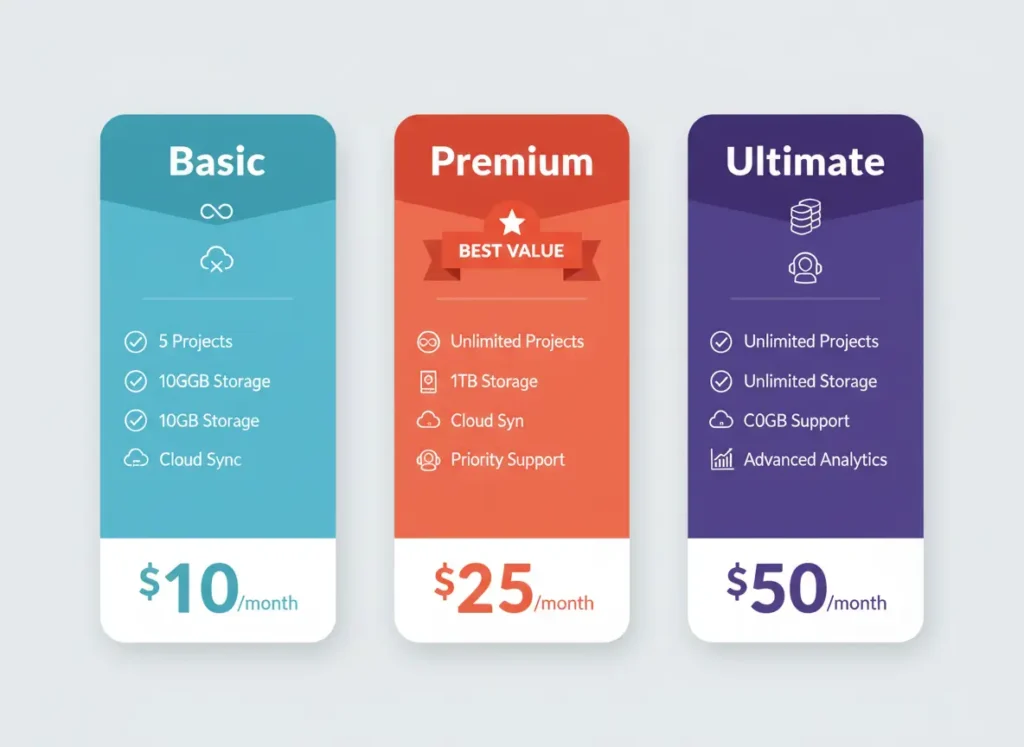
This comes up constantly. “Can’t I just use YouTube and Duolingo?” Honestly, let’s give free resources the credit they deserve — and be clear about where they fall short.
What Free Resources Do Well
Free Arabic resources are genuinely useful for some things.
Testing interest before spending money. Before committing $80/month to a course, two weeks on Duolingo tells you if you’ll actually show up. That’s valuable.
Daily vocabulary drilling. Anki (free), Memrise (partially free), and Quizlet are excellent for building and reinforcing vocabulary. Use them daily alongside a paid course.
Alphabet learning. Dozens of free YouTube videos teach the Arabic alphabet effectively. No need to pay for this specific skill.
Cultural immersion content. Al Jazeera Arabic, Egyptian drama on YouTube, Arabic music — all free, all genuinely useful for intermediate-to-advanced learners.
Where Free Resources Fall Short
Here’s what free tools consistently can’t provide:
No pronunciation correction. An app can’t hear you. YouTube can’t tell you that your ع is coming from the wrong part of your throat. Only a teacher can catch this in real time — and pronunciation errors that go uncorrected for months are very hard to fix later.
No structured progression. Free resources are scattered. YouTube has great videos, but no curriculum that takes you systematically from A1 to B2. You’ll jump between random topics without building a proper foundation.
No accountability. Nobody’s expecting you to show up. And 90%+ of self-directed free learners quit within three months for exactly this reason.
No personalised feedback on writing. An app marks your multiple-choice answer right or wrong. It can’t tell you why your sentence structure is awkward or how to fix it.
The smartest strategy: Use free tools as daily supplements. Anki for vocabulary, YouTube for cultural exposure, podcasts for listening practice. But use them alongside a paid programme with a live teacher — not instead of one.
Pricing for Different Learner Types

Pricing needs aren’t the same for everyone. Here’s what makes sense at each stage and type of learning.
Complete Beginners
Start with 1–2 sessions per week. You don’t need intensive daily lessons at the beginning — you need consistent, steady exposure. Two 60-minute sessions per week ($80/month) with daily self-study is more effective than daily intensive lessons for the first three months.
Take the free Arabic level test before booking anything — it confirms you’re genuinely a beginner and not wasting time on content you already know.
Children’s Arabic Lessons
Kids need shorter, more frequent sessions. Two or three 30–45 minute sessions per week tend to work better than one long session. Child-specialist teachers use games, songs, and activities that keep young learners engaged — and knowing your child has a specific teacher who understands child development is worth the investment.
Alphabet Arabic Academy has child-specialist teachers available for ages 5–17, including GCSE Arabic preparation. Same pricing structure as adults, with the right teacher matched to your child’s age and level.
Professional Arabic Learners
If you’re learning Arabic for career purposes — business, diplomacy, journalism, NGO work — you need a programme that includes professional vocabulary, formal writing, and media Arabic alongside conversational skills.
Budget for 2–3 sessions per week and a 6-month commitment. At 2 sessions/week, that’s $80/month, or $384 for 6 months with the 20% discount. A real business investment — and significantly less than the cost of a commercial language school.
Quranic Arabic and Islamic Studies Learners
Tajweed and Quranic Arabic require Ijazah-certified teachers — not just any Arabic teacher. At Alphabet Arabic Academy, Quran and Tajweed sessions start from $40/month for 4 sessions. Islamic Studies programmes are available as a separate track.
Heritage Learners (Grew Up Hearing Arabic, Never Learned Formally)
Heritage learners often overestimate their level — and underestimate their gaps. You might understand spoken Egyptian Arabic perfectly but have almost zero reading ability and significant grammar gaps. A placement test and a teacher who understands heritage learner profiles will save you months of studying the wrong things.
For an overview of all available courses and which fits your goal, the best online Arabic course guide covers every type in detail.
Hidden Fees: What to Watch For When Comparing Prices
Some platforms advertise a low headline price and then add charges at every step. Here’s what to watch for before you hand over your card details.
Registration or activation fees. A charge just to create an account, before you’ve had a single lesson. Red flag. Walk away.
Material fees. PDFs, workbooks, and curriculum access charged separately from your lesson price. At Alphabet Arabic Academy, all materials are included at no extra cost.
Certificate fees. Charging you separately to receive a certificate of completion at the end of a course you’ve already paid for in full. Not acceptable.
Cancellation penalties. Charging you if you need to reschedule or cancel a lesson with reasonable notice. Any reputable platform allows rescheduling within 24 hours without penalty.
Renewal traps. Auto-renewing subscriptions that are difficult to cancel, or price increases on renewal that weren’t disclosed at sign-up.
How to protect yourself: Always ask for a complete written pricing breakdown before paying. Take a trial lesson first. Read the refund and cancellation policy before enrolling. And check whether reviews mention surprise charges.
Alphabet Arabic Academy’s pricing is transparent — what you see on the pricing page is what you pay. No activation fees, no material charges, no penalties for rescheduling.
Smart Ways to Save on Arabic Online Classes

You can get excellent value without cutting corners on quality. Here’s how to stretch your Arabic learning budget intelligently.
Choose Longer Commitments When You’re Ready
Don’t lock into a 6-month plan after one trial lesson. But once you’ve confirmed the teaching quality and you know you’re committed — the 20% discount for a 6-month plan is real money. On the $80/month plan, that’s $96 saved per 6-month period.
Start with the Right Frequency
More sessions per week isn’t always better in the early months. One quality session per week with excellent daily self-study often outperforms two rushed sessions with no practice in between. Start with 1–2 sessions/week. Increase once you’ve established the study habit.
Use Free Resources as Daily Supplements
Anki for vocabulary, YouTube for cultural content, ArabicPod101 for listening practice. These are genuinely excellent tools — used alongside your paid lessons, not instead of them. They extend the value of each session significantly.
Take Advantage of Family and Sibling Pricing
If you’re enrolling multiple children, ask explicitly about family package pricing. Many platforms including Alphabet Arabic Academy offer discounts for siblings enrolled simultaneously.
Book a Free Trial First — Always
Never pay for a month without a trial lesson. The trial confirms the teacher’s style suits you, the platform works technically, and the curriculum matches your goals. A 30-minute free trial lesson costs you nothing but tells you everything.
Common Pricing Mistakes Arabic Learners Make
These aren’t rare errors. They’re the mistakes that cost learners money and months of wasted time.
Mistake 1: Choosing the cheapest option first. The appeal is obvious. A $19/month app or a $5/hour freelance tutor seems like a bargain. But if it doesn’t produce progress, it’s not cheap — it’s expensive. One learner in a student review described wasting two months on a $19 course before switching to a structured programme: “When I invested in quality, everything changed.” Your time has value. A programme that produces results in 6 months is cheaper than one that produces none in 12.
Mistake 2: Paying for intensity you won’t actually use. Five sessions per week sounds committed. But if your schedule won’t genuinely support that — if you’ll regularly cancel and reschedule — you’re paying for sessions you won’t attend. Honest self-assessment: what frequency will you actually sustain? Start there.
Mistake 3: Treating a trial lesson as a full course evaluation. One lesson tells you about teaching style and platform usability. It doesn’t tell you about curriculum depth, teacher consistency, or long-term support. Read reviews from learners who’ve completed 3+ months before committing to a 6-month plan.
Mistake 4: Ignoring the cost of materials. Some platforms advertise $30/month lessons — then charge $50 for the textbook, $20 for workbook access, and $30 for a certificate at the end. Always ask: “Is everything included?” and get it in writing.
Mistake 5: Pausing and restarting repeatedly. Language learning doesn’t pause cleanly. Three weeks off means significant retention loss — and many learners effectively restart from an earlier point when they return. The monthly cost of a lower-frequency plan you can sustain through busy periods is almost always cheaper than pausing and restarting a higher-frequency plan every few months.
2025–2026 Trends in Arabic Online Learning Pricing

The landscape for online Arabic learning has shifted noticeably in the last two years. Here’s what’s changed — and how it affects what you’re buying.
Better value through bundled features. The best plans in 2025 combine live lessons, WhatsApp support, all materials, and progress tracking at the same price tier that previously bought you lessons only. This is exactly what Alphabet Arabic Academy’s structure includes.
Dialect flexibility within standard pricing. You can now choose your Arabic focus — Modern Standard Arabic, Egyptian colloquial, Quranic Arabic, professional Arabic — within the same monthly pricing tier, rather than paying a premium for specialised tracks.
Zoom-based learning has normalised globally. The pandemic accelerated what was already happening. Egyptian-based academies with Al-Azhar-qualified teachers can now serve students in the UK, US, Canada, and 80+ other countries at the same price — no geographic premium, no commute costs, no building overhead passed to the learner.
Quality certification is increasingly expected. Learners in 2025 expect a completion certificate that can be shown to employers or universities. At Alphabet Arabic Academy, certificates of completion are included as standard — no separate fee.
Let me tell you about Sarah.She’s a marketing manager from Manchester. She wanted to learn Arabic for work — her company was opening an office in Dubai. She had a budget, but she didn’t want to overspend.So she did what many learners do. She went cheap first.She found a freelance tutor on a marketplace for $12/hour. Great price, she thought. Three months later, she’d learned some vocabulary. But her pronunciation was still poor. She had no structured curriculum. She was stuck at the same level, spinning her wheels.She’d saved money on paper. But she’d wasted three months of time — and her work deadline was approaching.Then she found us.We placed her at A2 (not beginner — she’d learned more than she realised). Two sessions a week. Structured curriculum. Real-time pronunciation correction. WhatsApp support between lessons.Six months later? She had her first client meeting in Arabic. Her company paid for her next 6 months as a professional development expense.Here’s what Sarah learned — and what I want you to take away.Cheaper isn’t cheaper if it doesn’t work. The $12/hour tutor who doesn’t move you forward is more expensive than the $10/session structured programme that actually delivers results.Calculate value, not just price.
Frequently Asked Questions
Q1: What’s the cheapest way to start learning Arabic online without sacrificing quality?
Start with one session per week ($40/month at Alphabet Arabic Academy) combined with free daily self-study tools — Anki for vocabulary, ArabicPod101 for listening, YouTube for cultural content. This combination gives you a qualified teacher, a curriculum, and pronunciation correction — without spending more than you need to at the beginning. Book a free trial first to confirm the fit before committing.
Q2: Is paying more for a private Arabic teacher worth it over group classes?
Depends on your goals and timeline. Private lessons produce results 2–3x faster because the session is entirely about your errors, your goals, and your pace. Group classes (4–6 students) are good value and still effective — particularly for learners at similar levels. If you have a clear deadline (a job starting in six months, a trip in nine months), private lessons are worth the extra cost. If you’re learning long-term without urgency, group classes at a lower price point make solid sense.
Q3: How do I know if an Arabic course’s pricing is honest or if there are hidden fees?
Ask these questions explicitly before paying: Is everything included in the monthly price? Are materials and textbooks extra? Is there a registration fee? What’s the rescheduling and cancellation policy? What happens at the end of my subscription — does it auto-renew? Any hesitation or vague answers are warning signs. Transparent academies answer these questions directly and in writing.
Q4: Can I negotiate pricing for Arabic online classes?
Sometimes. Reputable academies typically have fixed pricing structures, but it’s always worth asking about family discounts (if enrolling siblings), seasonal promotions, or referral programmes. What you can nearly always negotiate: start date, session frequency, teacher match, and whether you pay monthly or in a longer bundle. What’s harder to negotiate: the per-session rate itself at quality academies, since it reflects real teacher cost.
Q5: How much should I budget monthly for a realistic path to conversational Arabic?
For beginner to conversational Arabic in 12–18 months, budget $80/month (2 sessions/week) plus zero for self-study tools (using free resources). That’s roughly $960–1,440 total — compared to $1,200–3,000+ for equivalent instruction at a language school or private tutor in most Western cities. It’s a significant investment. But it’s an investment with a real return: career opportunities, cultural connections, Quranic understanding, travel capability. See the full teacher and course options before deciding on your path.
Conclusion
Understanding Arabic online pricing doesn’t require a finance degree. It requires knowing what you’re actually paying for — and being honest about what you actually need.
The truth is: the right price is the one that buys you consistent progress toward your specific goal. A $19 app that doesn’t produce results is expensive. An $80/month plan with a qualified teacher, structured curriculum, and real accountability is affordable — if it moves you forward week by week.
Start with a free Arabic level test so you know exactly where you’re beginning from. Book a free trial lesson to confirm the teaching quality before paying anything. Then choose the session frequency and commitment length that matches your real schedule — not your optimistic one.
And if you’re ready to see the numbers and book directly: view full pricing and available plans.
No hidden fees. No locked-in contracts you can’t exit. Just Arabic learning that actually works — at a price that makes sense.
بسم الله — In the name of Allah.